Flawless Drywall Ceiling Repair
Understanding Ceiling and Wall Repair
What Is Ceiling and Wall Repair?
Ceiling and Wall Repair refers to the professional process of restoring damaged drywall surfaces to their original smooth, solid, and attractive condition. Over time, drywall can crack, sag, or break due to everyday wear, moisture exposure, or structural movement. A skilled drywall repair contractor addresses these issues using proven techniques, quality materials, and precise finishing.
For homeowners and business owners alike, Ceiling and Wall Repair is not just about looks. It plays a critical role in maintaining the integrity of a building. Small cracks or holes can quickly grow into larger problems if ignored. That’s why timely repairs are essential for safety, comfort, and long-term cost savings.
Professional Ceiling and Wall Repair ensures seamless blending with existing surfaces. Once complete, the repaired area becomes virtually invisible, ready for paint or texture, and strong enough to last for years.
Why Drywall Damage Happens
Drywall damage can happen for many reasons. One of the most common causes is normal structural settling. As buildings age, they naturally shift slightly, leading to hairline cracks in ceilings and walls. Moisture is another major culprit. Leaks from roofs, plumbing, or HVAC systems can weaken drywall, causing stains, bubbling, or sagging.
Accidental impacts are also common. Furniture bumps, door handles, and everyday activity can leave dents or holes in walls. In commercial spaces, high foot traffic increases the risk of damage even more. Regardless of the cause, professional Ceiling and Wall Repair addresses both the visible damage and the underlying issue to prevent repeat problems.
Common Types of Ceiling and Wall Damage
Cracks and Settlement Damage
Cracks are among the most frequent drywall issues. They may appear as thin lines along seams, corners, or ceilings. While small cracks may seem harmless, they often indicate movement beneath the surface. Proper Ceiling and Wall Repair involves reinforcing weak areas, applying joint compound correctly, and smoothing the surface to prevent cracks from returning.
Water and Moisture Damage
Water-damaged drywall is a serious concern. Stains, soft spots, and sagging ceilings are clear signs of moisture problems. In these cases, Ceiling and Wall Repair goes beyond patching. A professional contractor first identifies and resolves the moisture source, then removes damaged drywall and installs new material to ensure a safe, dry, and mold-free surface. For more information on moisture prevention standards, you can reference guidance from reputable construction resources such as https://www.hud.gov.
Holes, Dents, and Impact Damage
From small nail holes to large openings, impact damage can affect any wall or ceiling. Professional Ceiling and Wall Repair restores these areas by securely patching, taping, and finishing the surface. The goal is to create a flawless result that blends perfectly with the surrounding drywall.
Why Professional Ceiling and Wall Repair Matters
Structural Safety and Durability
One of the biggest advantages of hiring a professional for Ceiling and Wall Repair is safety. Damaged drywall can hide deeper issues like weakened framing or ongoing leaks. A trained drywall repair contractor knows how to spot these risks and fix them correctly the first time. This approach ensures the repaired surface is strong, stable, and long-lasting.
Visual Appeal and Property Value
Smooth, clean walls and ceilings make a powerful impression. Whether you’re preparing to sell your home or welcoming customers into your business, professional Ceiling and Wall Repair enhances the overall appearance of your space. Quality repairs can significantly boost property value and create a polished, well-maintained look.
Ceiling and Wall Repair Process Explained
Inspection and Damage Assessment
Every successful Ceiling and Wall Repair project starts with a detailed inspection. The contractor evaluates the type, size, and cause of the damage. This step ensures the right repair method is chosen and prevents future issues.
Preparation and Surface Protection
Before repairs begin, the area is carefully prepared. Furniture and floors are protected, loose debris is removed, and damaged sections are stabilized. Proper preparation is key to achieving a clean, professional finish.
Repair, Finishing, and Texture Matching
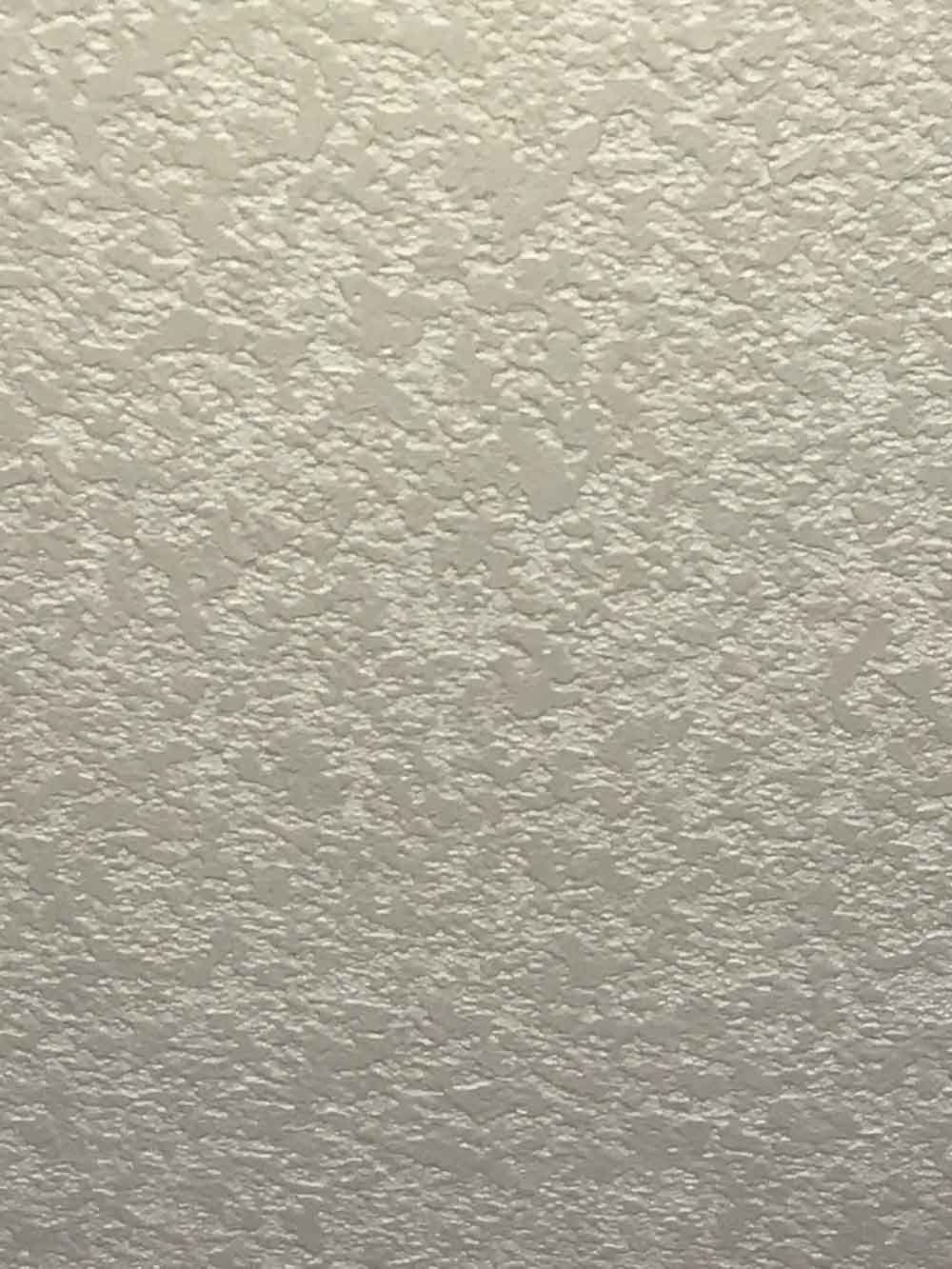
The repair itself may involve patching, taping, sanding, and applying joint compound in layers. Once smooth, the surface is finished to match the existing texture. This attention to detail is what makes professional Ceiling and Wall Repair stand out from DIY attempts.
Ceiling Repair vs Wall Repair
Unique Challenges with Ceilings
Ceilings are often harder to repair due to gravity and accessibility. Sagging drywall, water stains, and cracks require specialized techniques. Professional Ceiling and Wall Repair ensures ceiling repairs are secure, even, and visually seamless.
Wall Repair Considerations
Walls are generally easier to access, but they still demand precision. Matching texture and paint is crucial for a consistent appearance. A skilled contractor ensures wall repairs blend perfectly with the surrounding area.
DIY vs Professional Drywall Repair
Risks of DIY Repairs
While small fixes may seem simple, DIY repairs often lead to uneven surfaces, visible patches, or recurring damage. Without proper tools and experience, it’s easy to make mistakes that cost more to fix later.
Benefits of Hiring a Drywall Repair Contractor
Hiring a professional for Ceiling and Wall Repair saves time, reduces stress, and delivers superior results. Contractors bring expertise, efficiency, and high-quality materials to every project, ensuring a flawless finish.
Cost Factors for Ceiling and Wall Repair
Size, Severity, and Accessibility
Repair costs depend on the extent of the damage, the location, and how easy the area is to access. Ceiling repairs typically cost more due to added complexity.
Materials and Labor
Professional Ceiling and Wall Repair uses durable materials and skilled labor. While this may cost more upfront, it provides better value through long-lasting results.
Preventing Future Ceiling and Wall Damage
Moisture Control and Maintenance
Regular maintenance and prompt leak repairs are essential. Keeping humidity levels in check helps protect drywall from moisture damage.
Regular Inspections
Routine inspections allow you to catch small issues early. Addressing minor cracks or stains quickly reduces the need for major Ceiling and Wall Repair later.
Frequently Asked Questions (FAQs)
- How long does Ceiling and Wall Repair take?
Most small repairs can be completed in a day, while larger projects may take several days. - Can repaired drywall be painted immediately?
Yes, once the surface is fully dry and finished, it’s ready for primer and paint. - Is Ceiling and Wall Repair messy?
Professional contractors take steps to minimize dust and protect your space. - Will the repaired area match my existing walls?
Yes, texture and finish matching are key parts of professional Ceiling and Wall Repair. - How do I know if I need professional repair?
If damage is widespread, water-related, or recurring, professional help is recommended. - Does Ceiling and Wall Repair increase home value?
Absolutely. Clean, smooth walls and ceilings improve appearance and market appeal.
Conclusion
Ceiling and Wall Repair is an essential service for maintaining the safety, beauty, and value of any property. From minor cracks to major water damage, professional drywall repair contractors deliver reliable, long-lasting solutions. By addressing issues early and choosing experienced professionals, you can enjoy smooth, flawless walls and ceilings that stand the test of time.